


The short answer: agentic workflow QA tests the connections between steps in a multi-step AI process — tool calls, handoffs, conditional branches, retries — rather than just evaluating whether a single response was good. It's a distinct discipline from standard AI output testing, and most teams that only test individual responses miss the failures that actually reach production.
What is agentic workflow QA (and why it's different from testing a chatbot)
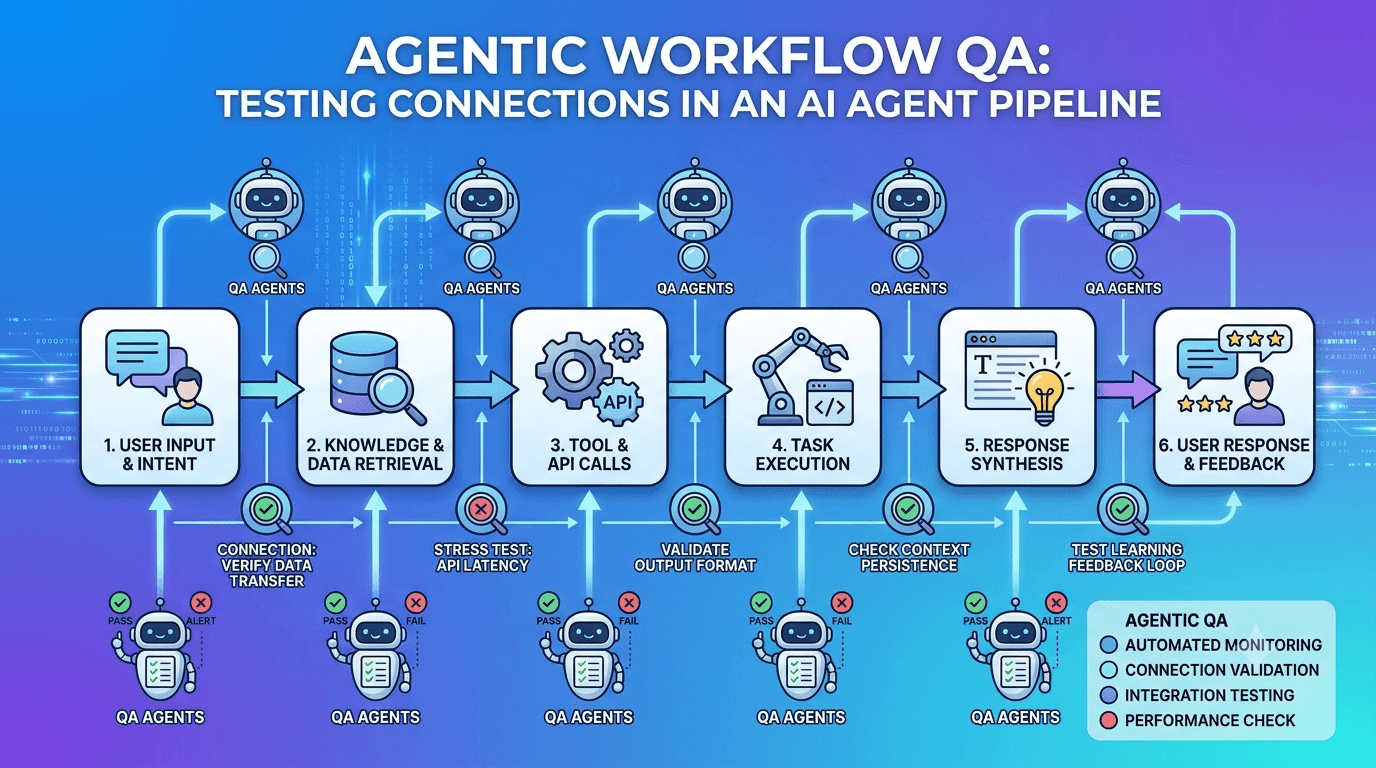
Why single-response testing isn't enough for agents
A chatbot that answers one question can be evaluated by scoring that one response against a golden answer, as covered in our framework for testing AI agents. An agent that plans a multi-step task — look up a customer record, check inventory, calculate a quote, draft an email, wait for approval — has failure points at every seam between those steps, not just in the final output. A workflow can produce a perfectly worded final response while having silently failed to actually check inventory, and single-response evaluation would never catch it.
What agentic workflow QA actually tests
Tool call correctness. Did the agent call the right tool, with the right parameters, at the right point in the sequence? An agent that calls a refund API with a slightly malformed amount because of a parsing error upstream is a workflow failure invisible to output-only testing.
State handling across steps. Multi-step agents carry context forward — does information from step 2 correctly inform step 4? Testing this requires tracing the full execution path, not just the final message.
Failure and retry behavior. What happens when a tool call times out, returns an error, or gets an unexpected response format? A well-tested workflow has defined behavior for every failure point; an untested one silently breaks or produces a confidently wrong result when a dependency hiccups.
Handoff quality. When an agent escalates to a human or another system, does it carry the necessary context, or does it dump the user into a queue to repeat themselves? This is a workflow-level quality question, not a single-response one.
Branching logic. Agents that make conditional decisions (if the order total exceeds X, escalate; otherwise, auto-approve) need every branch tested, not just the most common path — the untested branch is exactly where production surprises live.
How this differs from traditional integration testing
Agentic workflow QA borrows from traditional integration testing's discipline of testing the seams between components, but adds the AI-specific complication that the agent's own decisions about which path to take are themselves non-deterministic. You're not just testing "does step A correctly hand off to step B" — you're testing "does the agent correctly decide when to hand off, and does that decision hold up across realistic input variation." This is genuinely a different skill set than either classic QA or classic AI evaluation alone.
Building an agentic QA practice
Start by mapping every tool call, decision branch, and handoff point in the workflow — this map itself is a valuable QA artifact most teams never create. Build test cases for each seam, including deliberately triggering failure conditions (timeouts, malformed responses, edge-case branches) rather than only testing the happy path. Track the workflow-specific metrics from our QA metrics guide alongside standard output-quality metrics, since a workflow can score well on final-answer quality while still having broken seams underneath.
Why this matters increasingly
As more AI systems move from single-turn chatbots to multi-step agents handling real business processes, the seams between steps become the dominant source of production failures — not model quality. Teams that only test final outputs are testing the part that's actually least likely to break silently, while ignoring the part that is. This is precisely the gap our QA and software testing practice fills for AI implementations with real operational complexity — testing the workflow as a system, not just grading its final sentence.
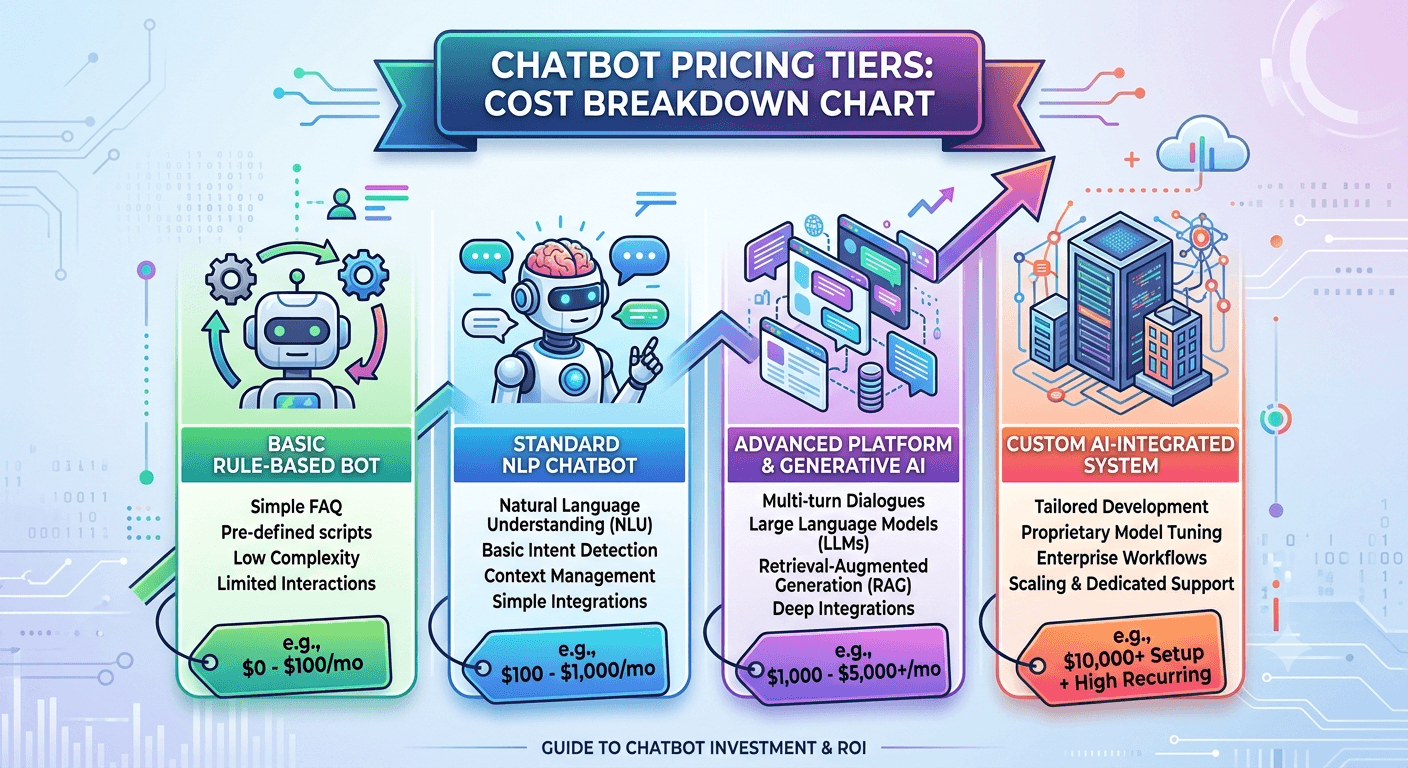
How Much Does a Custom Chatbot Cost? | Electronikmedia

How to choose a QA outsourcing partner (the questions that actually matter)
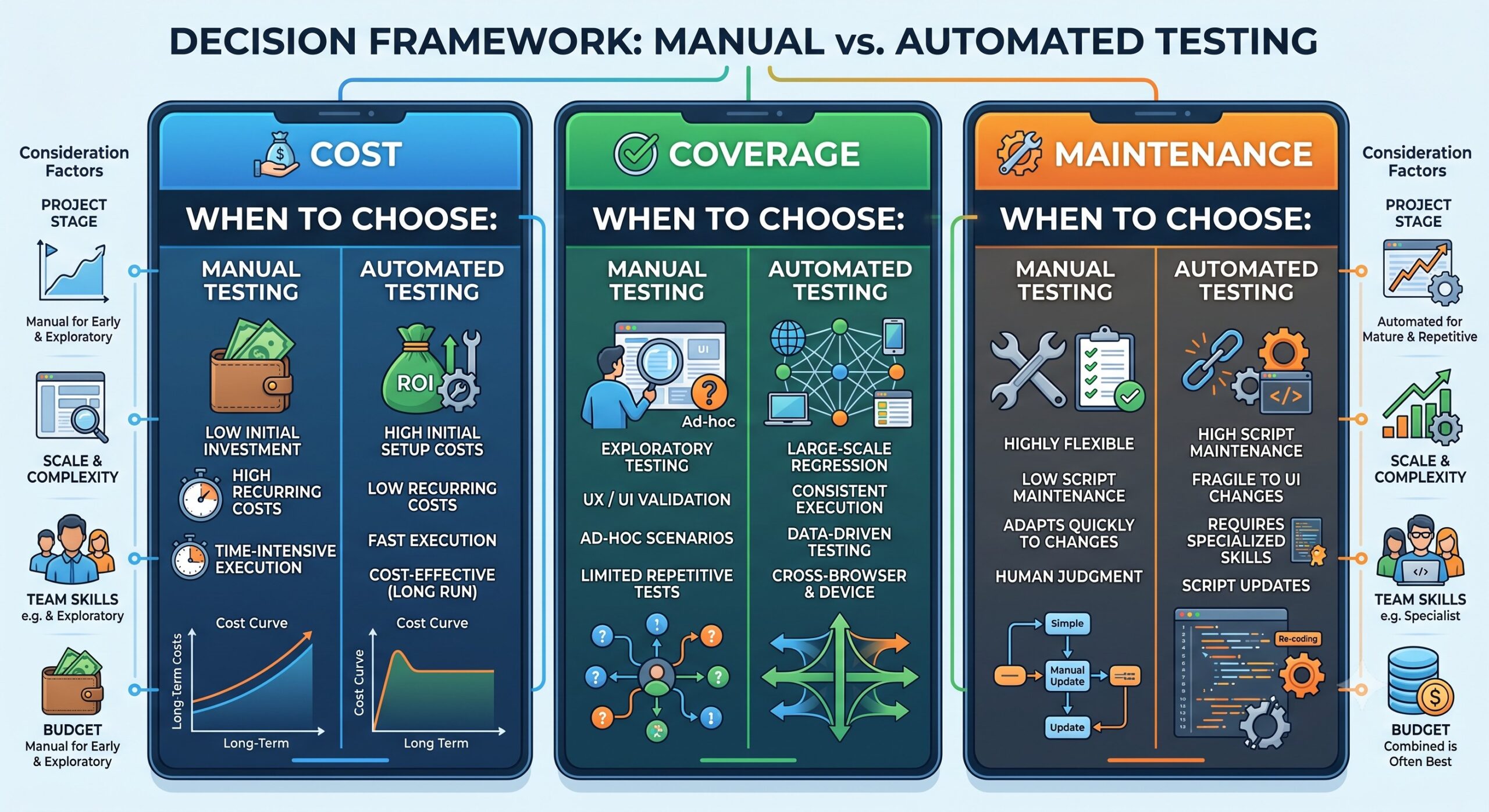
Manual vs automated testing: which does your project actually need?
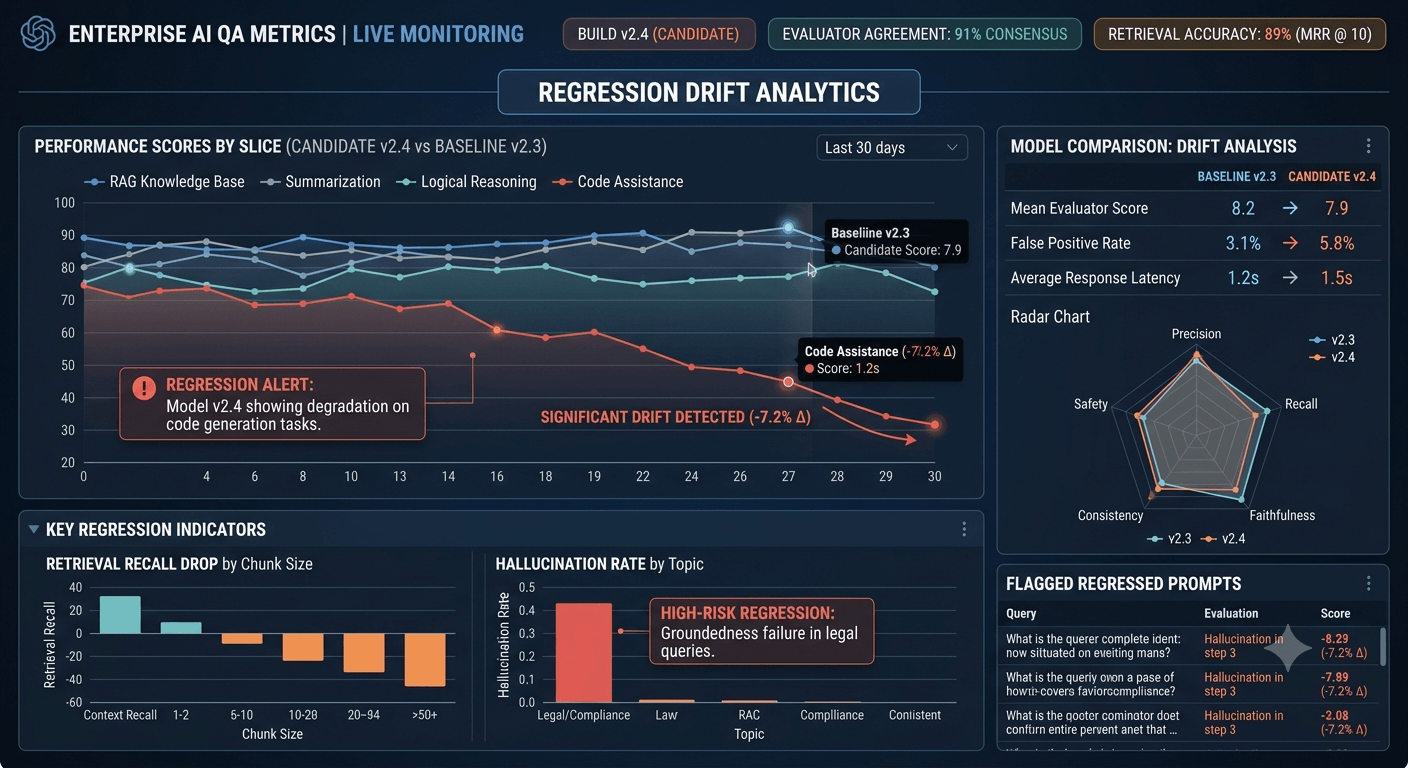
QA metrics that actually matter for AI-driven QA teams
