


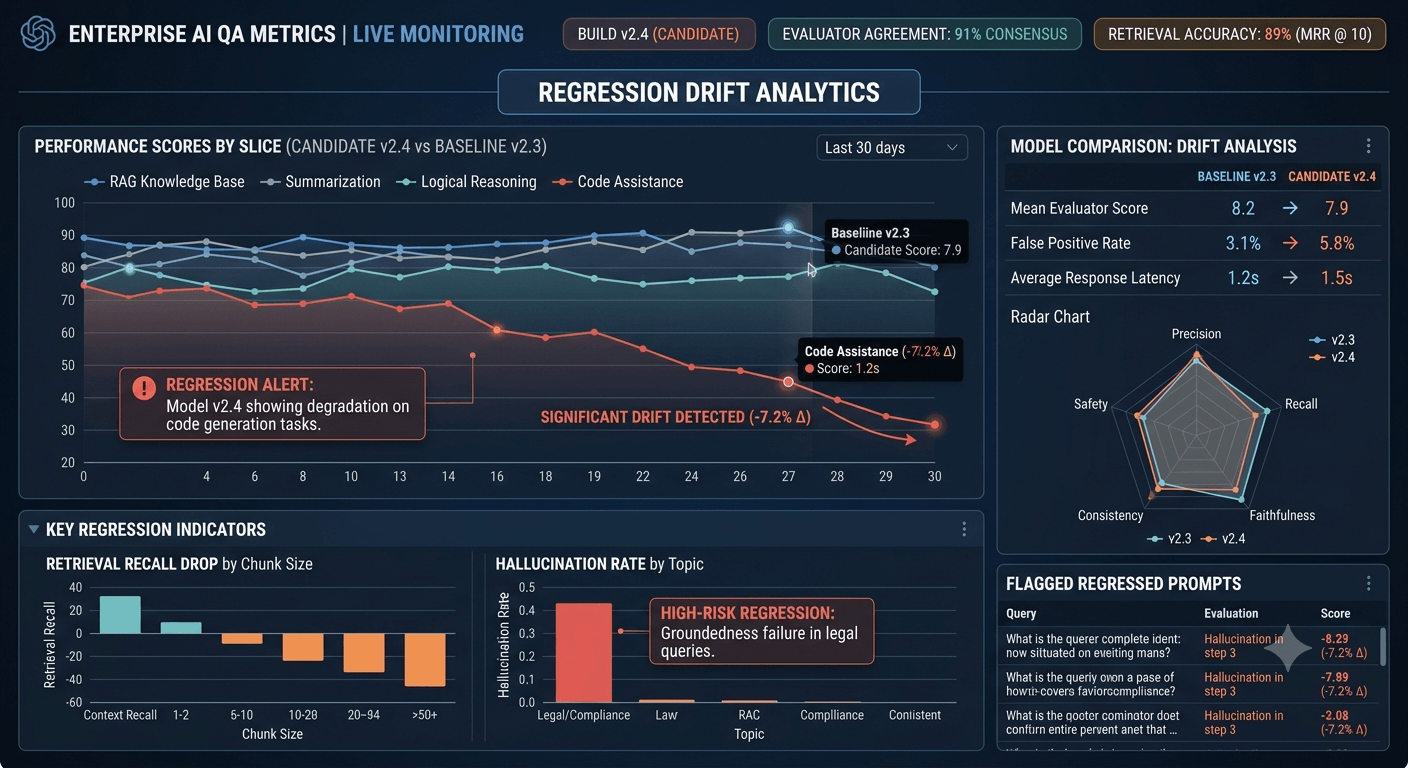
The short answer: traditional QA metrics — pass rate, defect count, test coverage percentage — don't translate cleanly to AI systems, because AI output isn't deterministic. The metrics that actually matter measure something different: whether the system's judgment is trustworthy, not whether it matches one fixed expected output.
QA metrics that actually matter for AI-driven QA teams
Why traditional metrics mislead here
A 98% test pass rate sounds reassuring for traditional software. For an AI system, it can be meaningless if the 2% of failures are concentrated in your highest-value use case, or if the passing tests were graded with exact-match assertions too loose to catch real quality problems. Traditional QA metrics assume determinism — same input, same expected output, pass or fail. AI systems break that assumption by design, so the metrics have to measure something else: whether the system's behavior stays within an acceptable range of quality, not whether it hits one exact target.
Metric 1: Grader agreement rate
If you're using model-graded evaluation (a second LLM scoring your system's outputs, as covered in our framework for testing AI agents), the grader itself needs a quality metric: how often does it agree with human judgment on a sampled set of cases? Below roughly 85-90% agreement, the grader isn't reliable enough to trust at scale, and every other metric built on top of it inherits that unreliability. This is the metric most AI QA teams skip, and it's the one that silently invalidates everything downstream when neglected.
Metric 2: Retrieval accuracy (for RAG systems)
For any system using retrieval, measure whether the correct source material was actually retrieved — separately from whether the final answer was good. A wrong answer with correct retrieval is a generation problem; a wrong answer with failed retrieval is a different problem entirely, and conflating the two wastes engineering time fixing the wrong layer. Track retrieval hit rate as its own number, not folded into overall answer quality.
Metric 3: Regression rate on the golden dataset
Every time a prompt, model, or pipeline changes, run the full golden dataset and track what percentage of previously-passing cases now fail. This is the AI equivalent of a regression suite, and it's the single most important discipline for teams that iterate quickly — without it, a "small" prompt tweak that improves one behavior and quietly breaks three others goes undetected until a customer notices.
Metric 4: Production-to-eval gap
Track how often real production failures (caught via monitoring, covered in our guide to monitoring AI agents in production, if published) were something your offline evaluation would have caught. A growing gap between what your eval suite catches and what actually fails in production means your golden dataset has stopped reflecting real usage — a strong signal it needs fresh cases added, not that the system suddenly got worse.
Metric 5: Human review sample agreement
For the slice of outputs reviewed by a human on a rotating basis, track what percentage a domain expert would rate as fully acceptable. This is slower and more expensive than automated metrics, which is exactly why it should be sampled rather than exhaustive — but it's the ground-truth check that catches subtle quality issues automated graders miss, and it should validate the automated metrics above periodically, not replace them.
What NOT to over-index on
Raw pass/fail percentage against loosely-defined criteria gives false confidence — a system can pass a badly-written test suite at 100% and still fail users constantly. Similarly, tracking only "did it crash" metrics (uptime, error rate) misses the entire category of AI-specific failure: confidently wrong, unhelpful, or subtly degraded output that returns a perfectly healthy HTTP response.
Building this into a QA practice
These metrics only work as a system, not individually — grader agreement validates your automated scoring, regression rate protects against silent breakage, retrieval accuracy isolates where RAG systems actually fail, and the production-to-eval gap keeps your test suite honest over time. This is the exact discipline our QA and software testing team builds into every AI implementation — treating AI quality as a measurable engineering practice, not a subjective judgment call made after the fact.
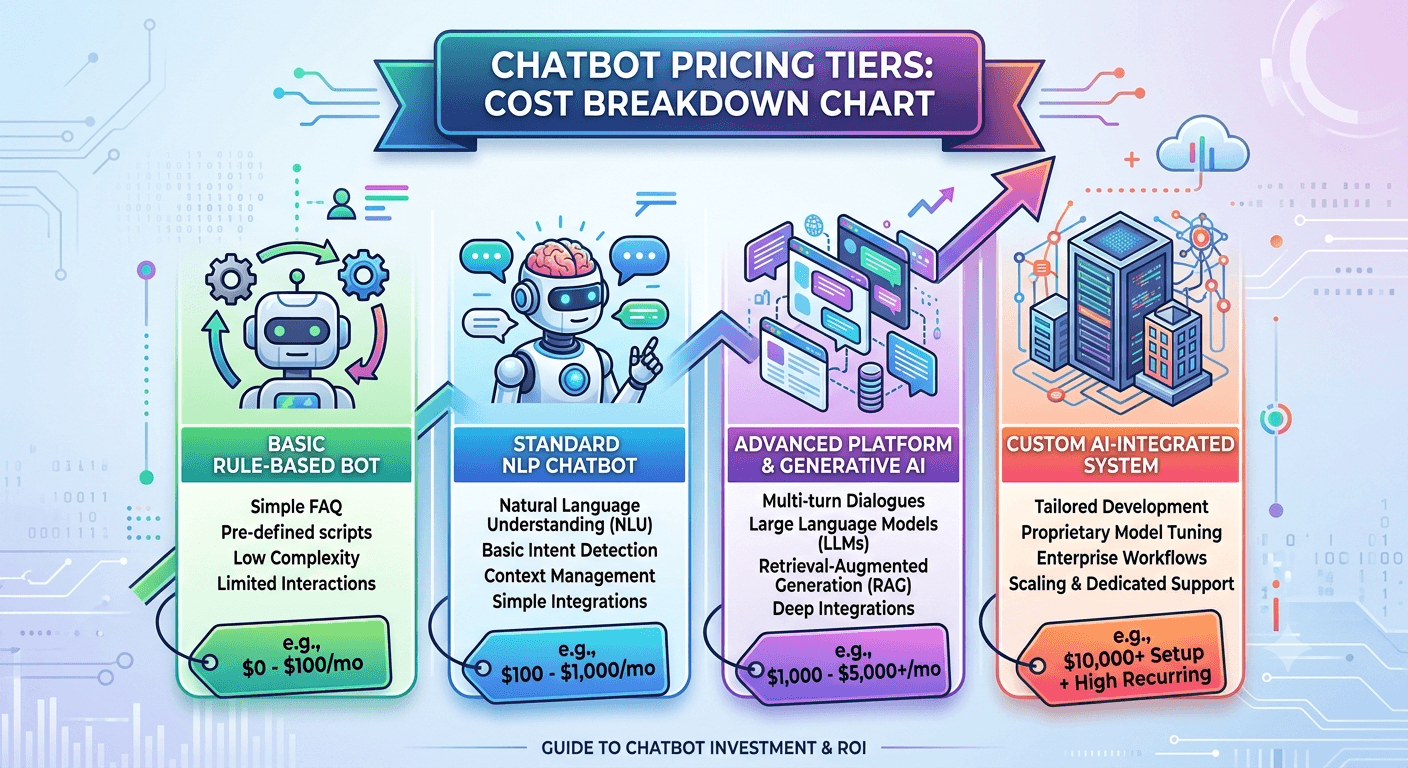
How Much Does a Custom Chatbot Cost? | Electronikmedia

How to choose a QA outsourcing partner (the questions that actually matter)
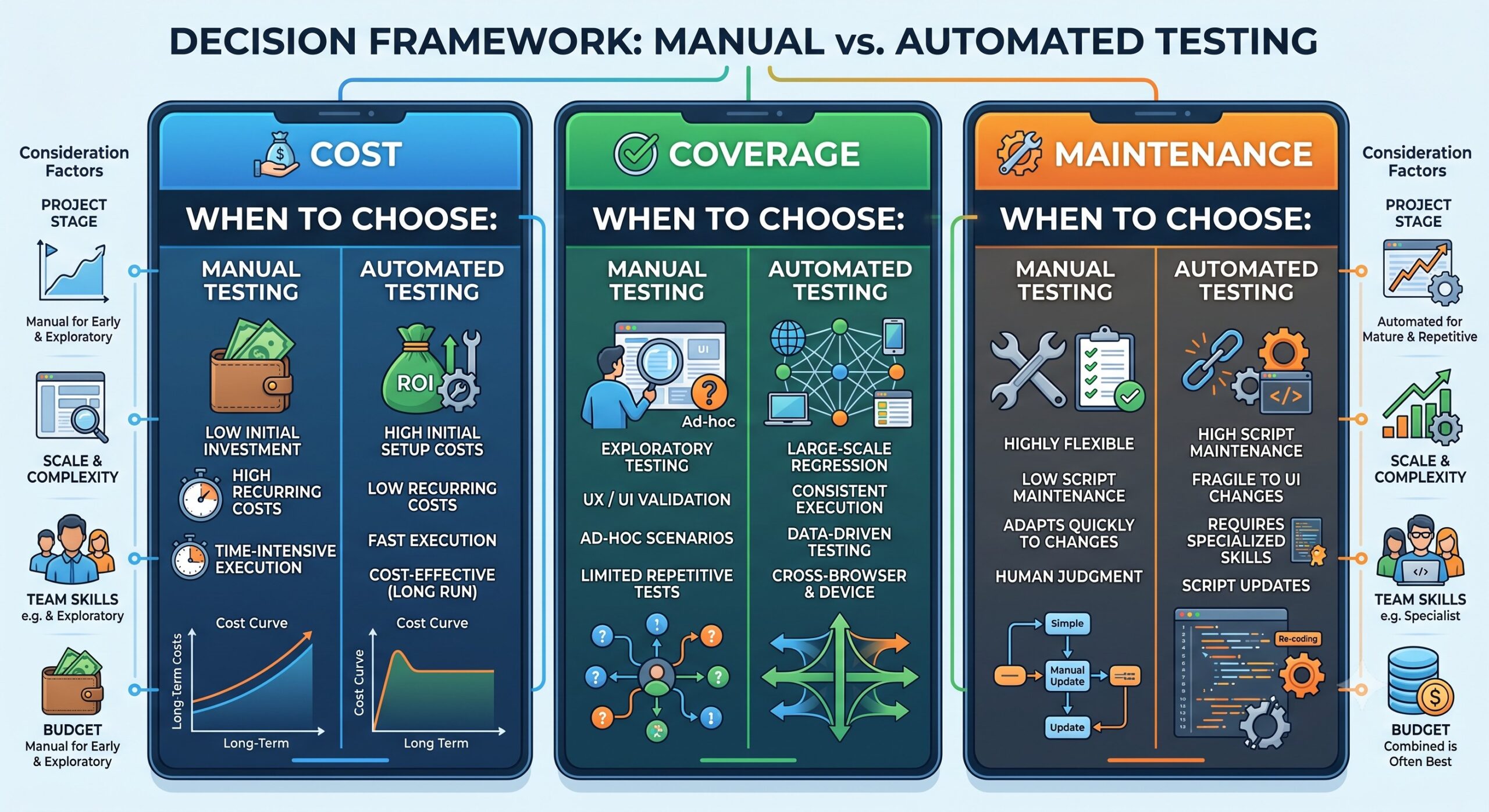
Manual vs automated testing: which does your project actually need?
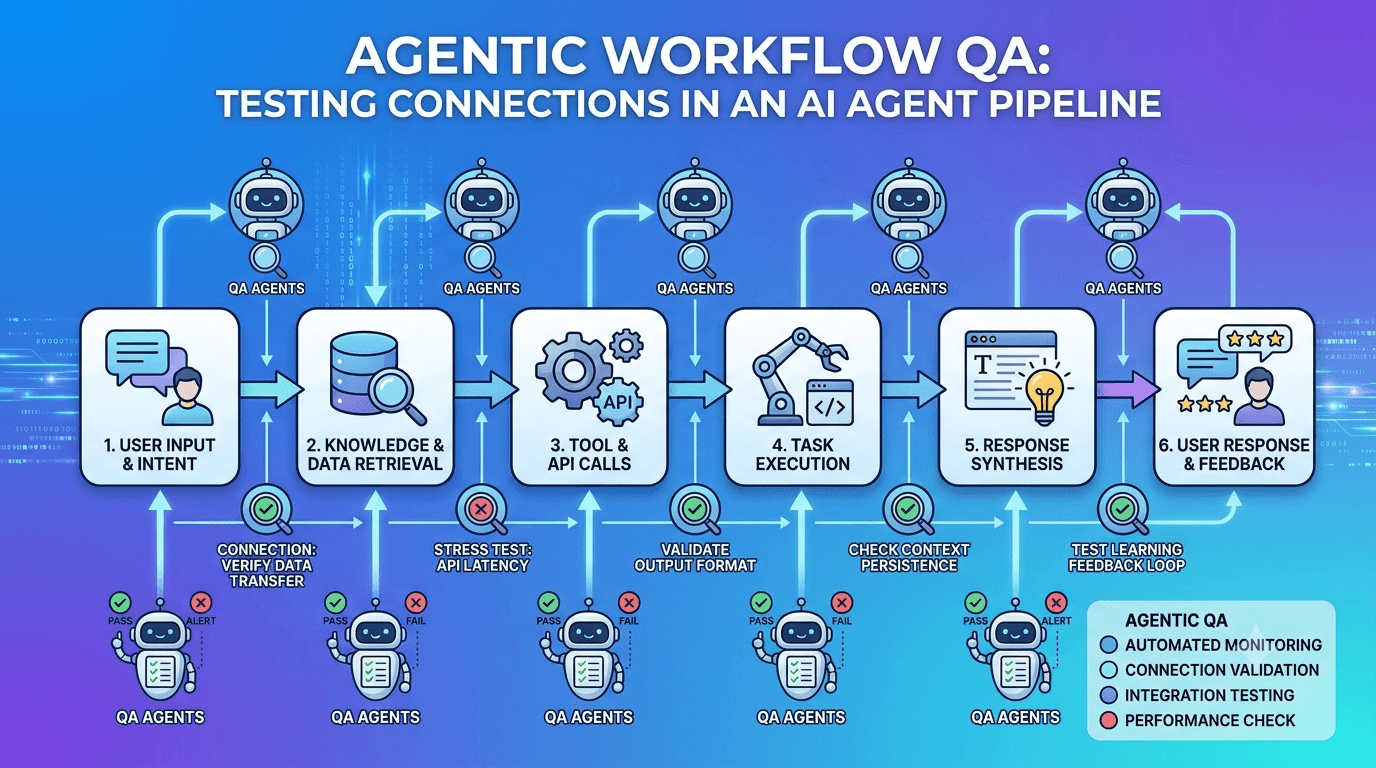
What is agentic workflow QA (and why it’s different from testing a chatbot)
