


The short answer: a basic rule-based chatbot can cost a few thousand dollars, while a custom AI chatbot integrated with your business systems typically runs from the low tens of thousands into six figures — and the gap between those numbers is almost entirely about integration depth and accuracy requirements, not the chatbot interface itself.
How Much Does a Custom Chatbot Cost? | Electronikmedia
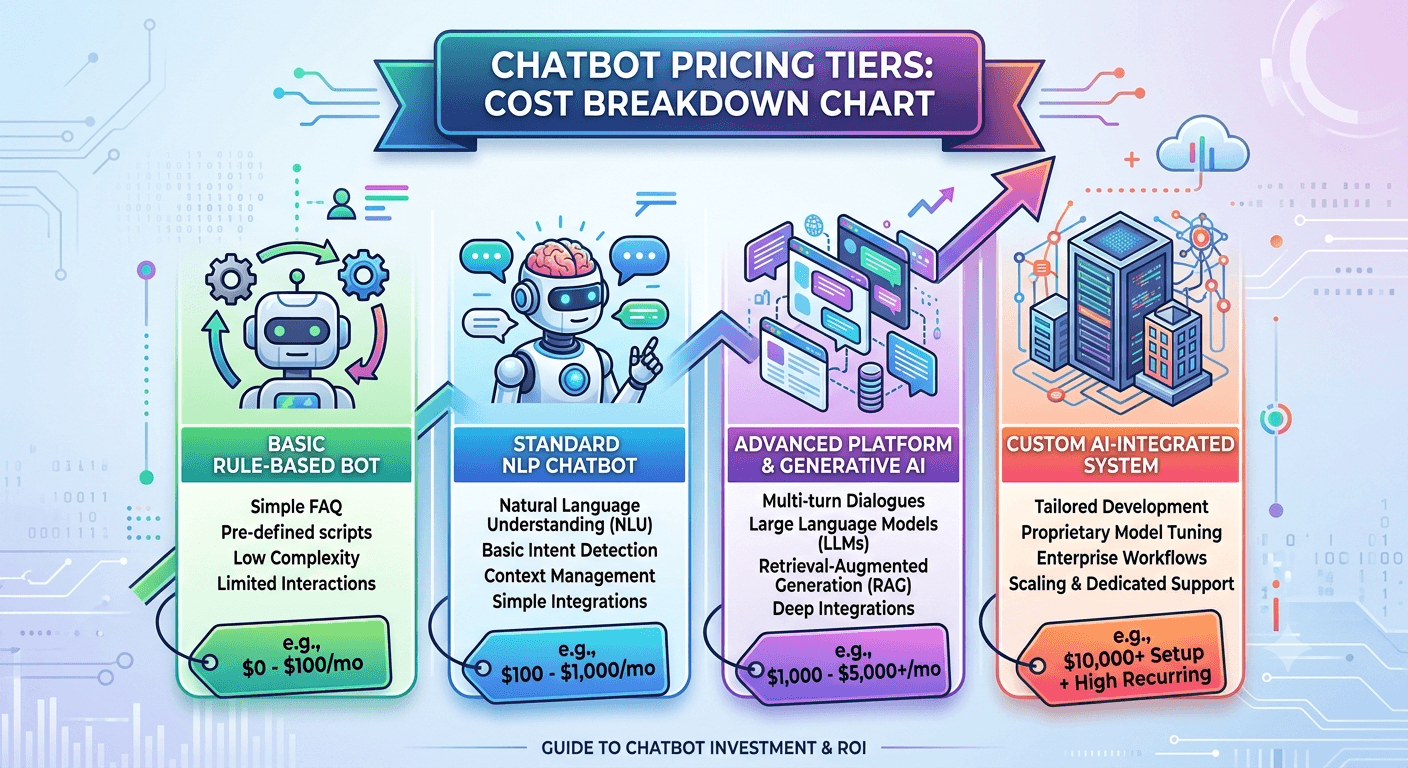
Why "chatbot" means very different things at different price points
At the low end, a rule-based bot answering FAQ-style questions from a fixed decision tree is inexpensive to build because it has no real intelligence — it matches keywords or button clicks to pre-written responses. At the higher end, an AI chatbot that understands natural language, retrieves answers from your actual documents and systems, and takes real actions (checking an order status, updating a CRM record) is a genuinely different engineering project, closer to a small application than a simple bot.
The cost drivers, in order of impact
Integration depth. A chatbot that only answers generic questions is cheap. One that reads and writes to your CRM, ERP, or internal databases requires real integration engineering — and as covered in our guide to AI chatbot integration with CRM and ERP, this is usually the majority of the cost, driven by whether those systems expose usable APIs.
Accuracy and reliability requirements. A chatbot that can be occasionally wrong with low stakes (a general FAQ bot) costs much less than one making decisions with real consequences (approving refunds, providing compliance-sensitive information), which needs evaluation infrastructure, human-in-the-loop checkpoints, and ongoing monitoring.
Conversation complexity. A single-turn Q&A bot is simpler than one that holds multi-turn context, handles interruptions and topic changes gracefully, and hands off to a human with full conversational context when needed.
Channel and platform requirements. A chatbot living only on your website is simpler than one that also needs to work identically across WhatsApp, SMS, and a mobile app, each with different technical constraints.
What a realistic scoped project looks like
Rather than pricing "a chatbot" as one undifferentiated thing, a well-scoped first version answers a specific, valuable question set with defined integration needs and a measurable success outcome — the same scoping discipline we apply to any AI implementation. A focused v1 with one or two well-integrated use cases, shipped in 6-10 weeks, is both cheaper and more likely to succeed than an ambitious build-everything version that takes twice as long and risks losing focus on what actually matters to users.
The ongoing cost that's easy to forget
Beyond the initial build, budget for ongoing model API costs (scaling with usage volume), monitoring and evaluation (catching quality drift before customers do, as covered in our guide to monitoring AI agents in production), and periodic prompt or logic updates as your business and customer needs evolve. A chatbot that's cheap to build and expensive to run, or one nobody maintains after launch, is a false economy.
The honest bottom line
The cost isn't really about "chatbot" versus "no chatbot" — it's about how deeply the bot needs to integrate with your real systems and how much accuracy your use case demands. If you're scoping a chatbot project, the most useful first step is defining exactly what it needs to do and which systems it needs to touch — our AI development team starts every chatbot engagement with that scoping conversation specifically so the budget reflects the real project, not a generic estimate.

How to choose a QA outsourcing partner (the questions that actually matter)
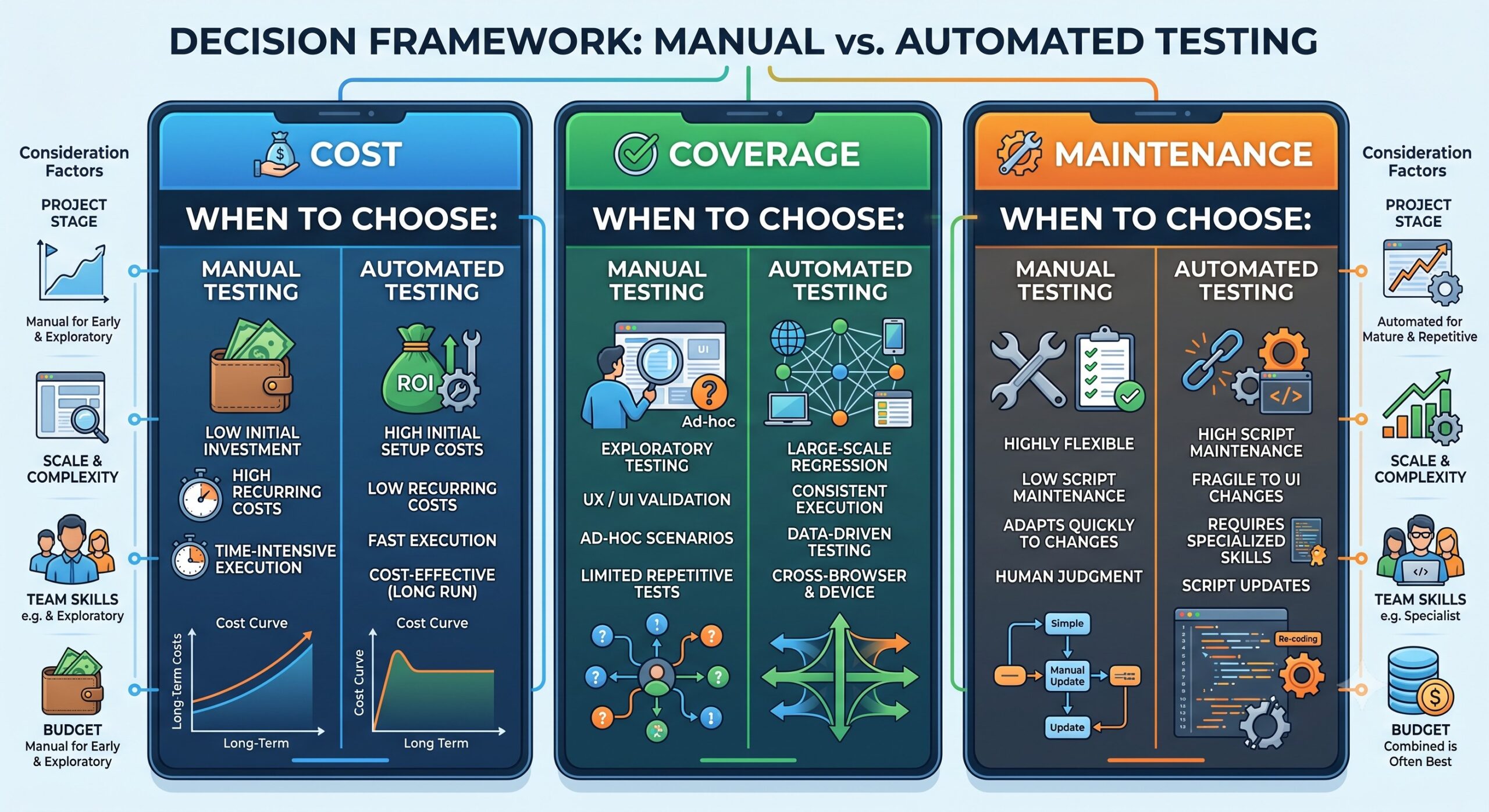
Manual vs automated testing: which does your project actually need?
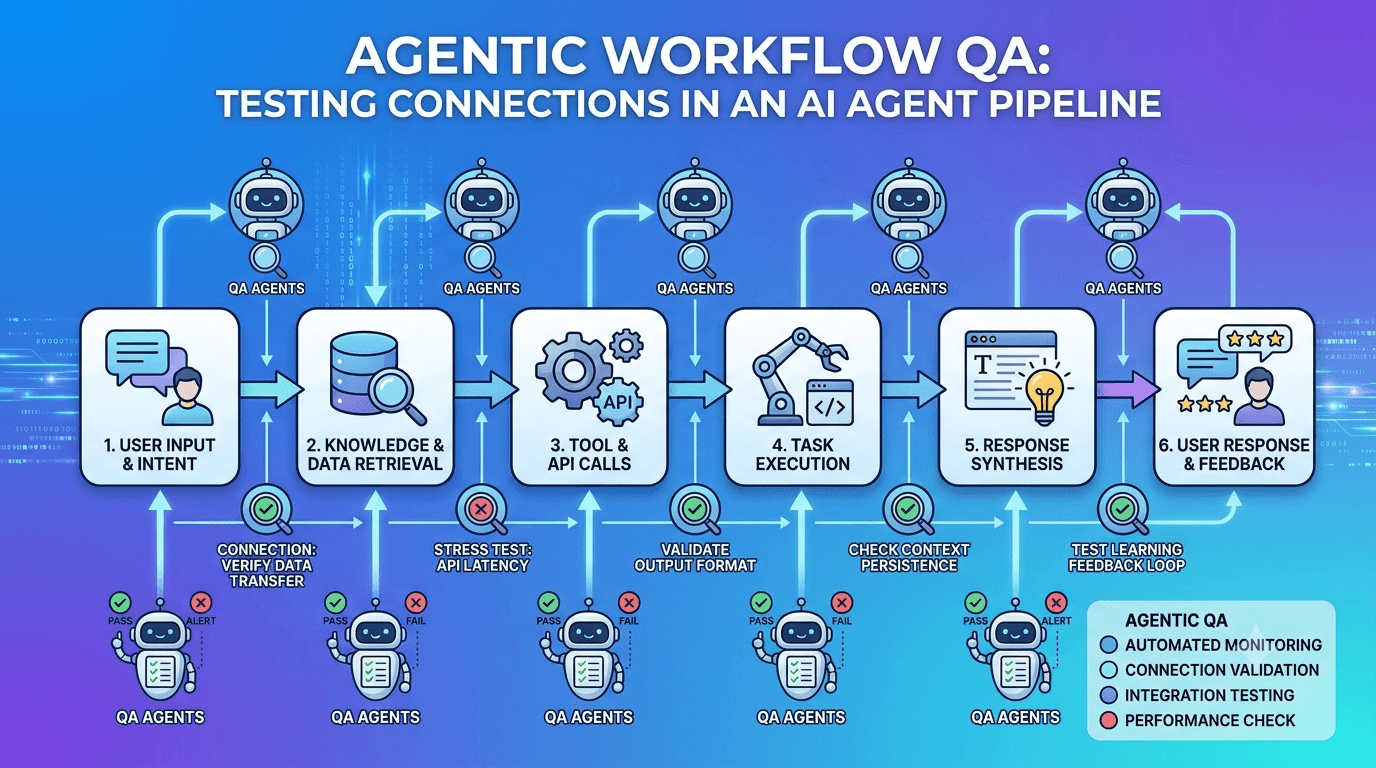
What is agentic workflow QA (and why it’s different from testing a chatbot)
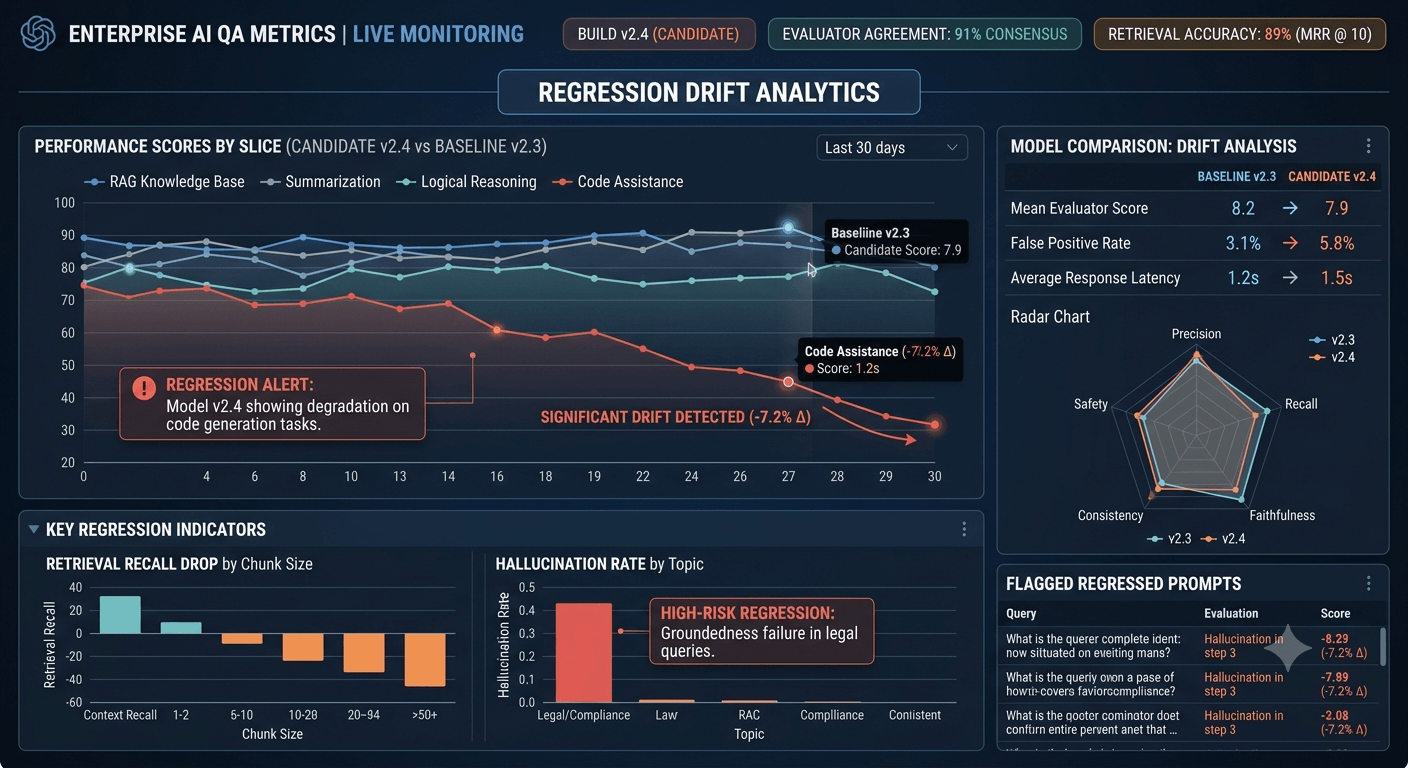
QA metrics that actually matter for AI-driven QA teams
