


The short answer: if your website gets regular visitor inquiries and your team can't respond instantly around the clock, a chatbot is likely worth it — the value comes from capturing interest the moment it happens, not from replacing your team. If your site gets very little traffic or almost no inquiries yet, a chatbot has little to work with and other priorities likely come first.
Do I need a chatbot on my small business website?
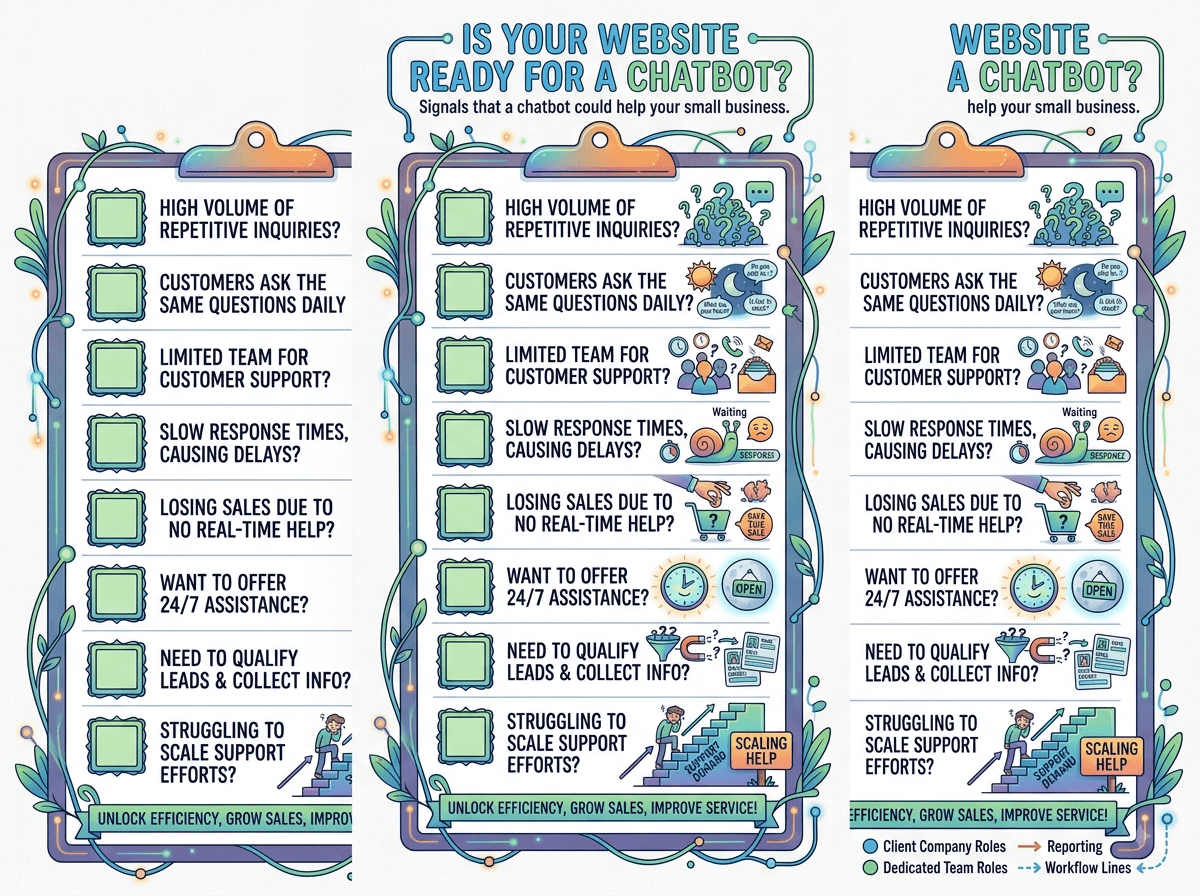
The real question isn't "is a chatbot good" — it's "what am I losing right now"
Every small business with a functioning website loses some potential customers simply because someone visited outside business hours, got impatient waiting for a reply, or left before finding the answer to a simple question. A chatbot's value is directly proportional to how much of that is currently happening — which means the right first step isn't researching chatbot features, it's honestly estimating how many visitors you're currently losing to slow or absent responses.
Signals that point toward yes
Visitors arrive outside business hours — if your analytics show meaningful traffic evenings or weekends when nobody's monitoring inquiries, that's time currently converting to nothing. The same few questions come up repeatedly — pricing, availability, how something works — questions a chatbot can answer instantly without waiting on a human, freeing your team for the conversations that actually need a person. Contact form submissions get slow responses — if there's a real gap between someone reaching out and getting a reply, competitors who respond faster are winning business you already had halfway captured. Your team is stretched thin on responding to routine inquiries, taking time away from the work that actually grows the business.
Signals that suggest it's not the priority yet
Very low website traffic — a chatbot has nothing to do if almost nobody's visiting, and the effort is better spent on driving traffic first. Inquiries are already handled quickly and personally, and volume is low enough that a human response is fast, warm, and effective — a chatbot here adds a layer between you and the customer without clearly improving anything. The business runs on relationship-driven, high-touch sales where an automated first response might actually undercut the personal approach that wins deals.
What a chatbot realistically does for a small business
It's rarely about replacing a person — a well-scoped small business chatbot handles the predictable, repetitive first layer (hours, pricing ranges, availability, basic qualifying questions) and hands anything real to a human, the same tiered approach covered in our chatbot-CRM integration guide for larger deployments, scaled down to SME needs. Done well, it's the difference between a visitor leaving with no response and a visitor getting an immediate, useful first answer — which meaningfully changes whether they stick around.
A simple way to decide
Look at your website analytics for the last month: how much traffic arrives outside your team's active hours, and how many contact form or chat inquiries came in during that time versus during business hours. If a meaningful share of interest arrives when nobody's watching, that's the concrete number that answers this question better than general chatbot enthusiasm either way.
The practical takeaway
A chatbot is worth it when there's real visitor volume and a real gap between when people show interest and when they get a response — not as a default addition to every website regardless of traffic or need. If you're unsure where your business falls, that's a five-minute conversation worth having before committing to anything — our chatbot development team starts every small business engagement by looking at exactly this before recommending a build.
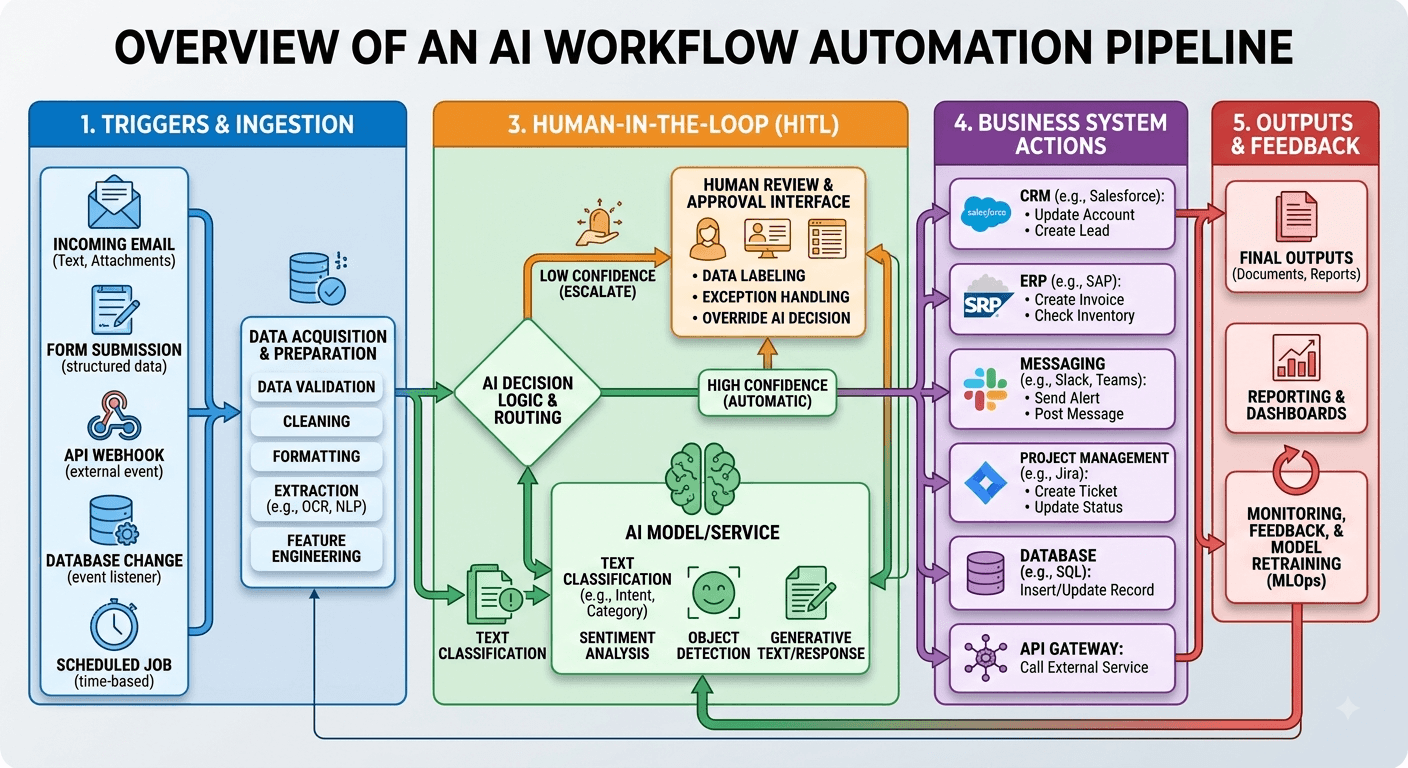
What is AI workflow automation, and how does it actually work?
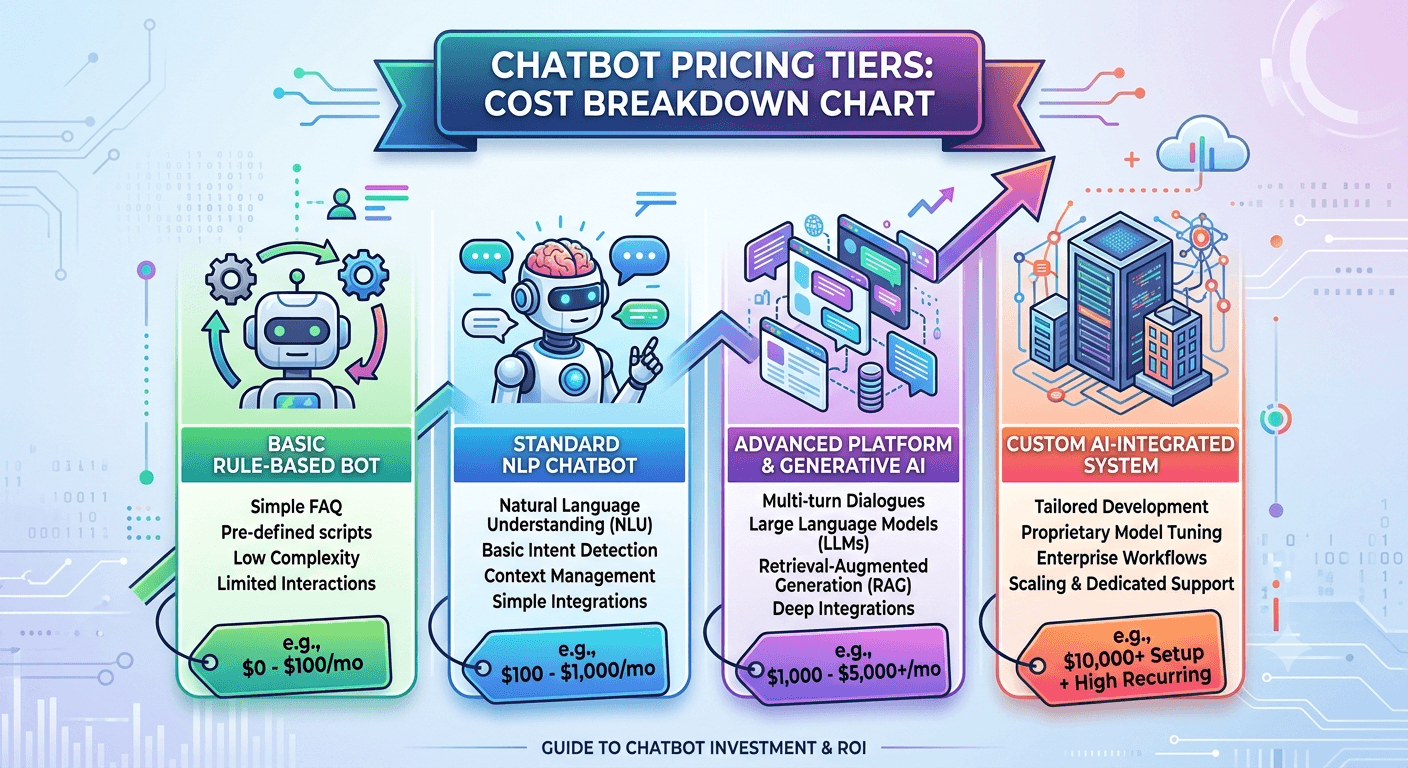
How Much Does a Custom Chatbot Cost? | Electronikmedia

How to choose a QA outsourcing partner (the questions that actually matter)
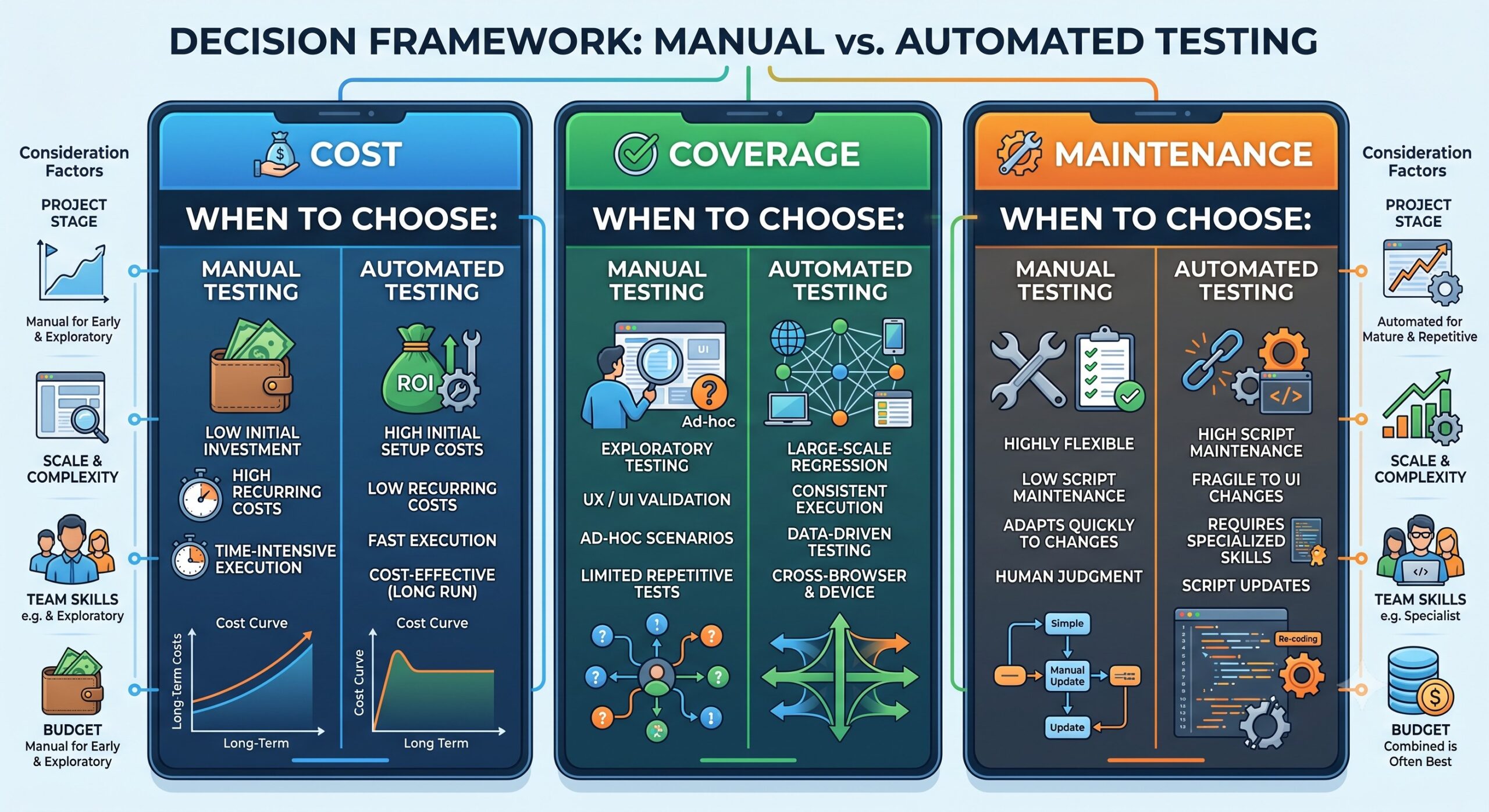
Manual vs automated testing: which does your project actually need?
