


The short answer: software testing cost typically ranges from a small percentage of total development budget for basic manual testing to 20-30% or more of the overall project cost for comprehensive coverage including automation, performance, and security testing — the honest driver isn't hours billed, it's how much risk your product can tolerate if something breaks.
How much does software testing cost?
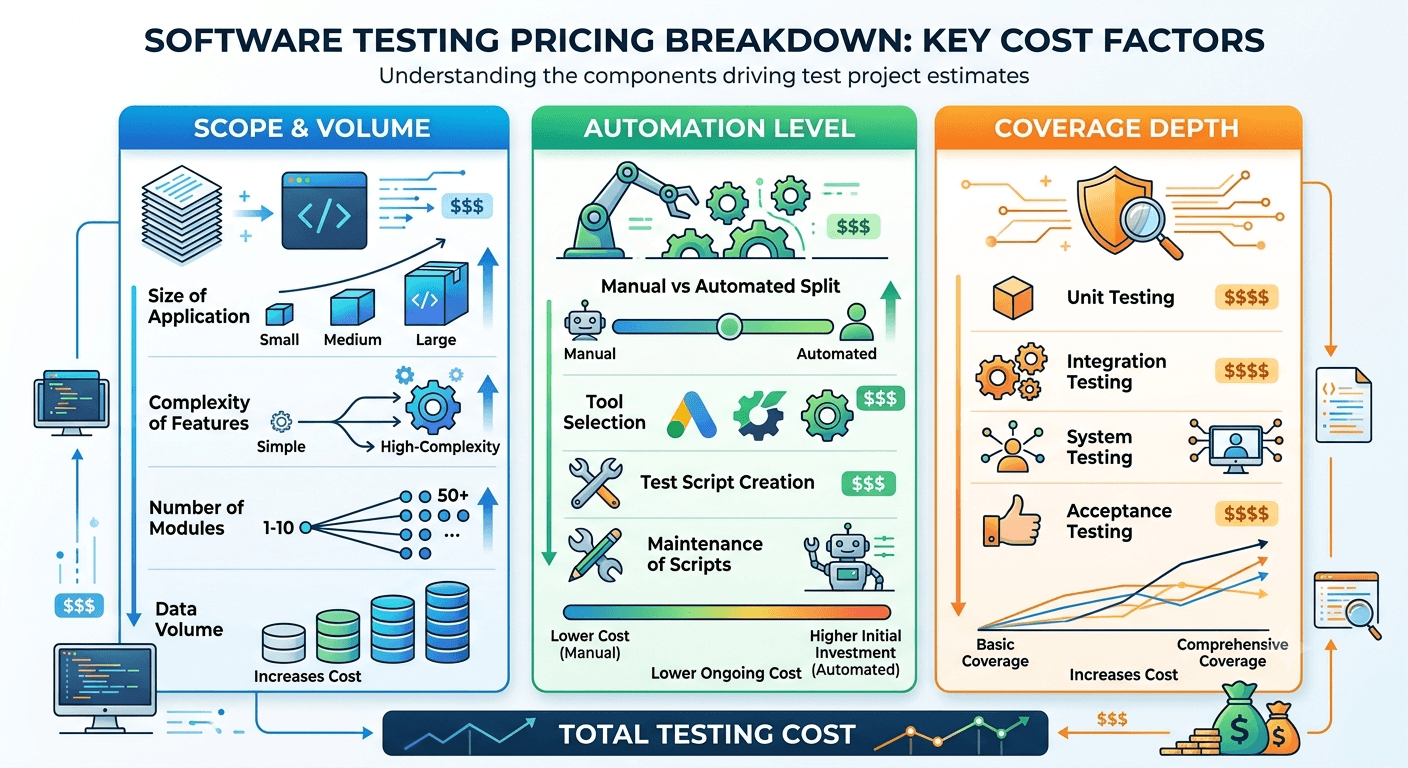
Why "cost per hour" is the wrong way to think about it
QA pricing quoted purely as an hourly rate obscures the real question: how much coverage does that buy, and is it the right coverage for your risk profile? A cheap hourly rate with shallow test coverage can cost more in escaped production defects than a higher rate with thorough coverage — the comparison that matters is total cost including what happens when something breaks in production, not the invoice alone, a point we cover in more depth in how to choose a QA outsourcing partner.
The factors that actually drive cost
Application complexity — more screens, more user roles, more integration points all multiply the surface area that needs coverage. Manual vs automated mix — automation costs more upfront to build but less over time for anything tested repeatedly, a tradeoff covered in our manual vs automated testing guide. Risk tolerance — a consumer app where an occasional bug is annoying but not dangerous needs less investment than a healthcare or financial application where errors have real consequences. Testing type breadth — functional testing alone costs less than functional plus performance, security, and accessibility testing combined.
What a reasonable budget allocation looks like
For most custom software projects, allocating somewhere between 15-25% of total development budget to QA is a reasonable starting range, adjusted up for higher-risk applications and down for low-stakes internal tools where a defect is inconvenient rather than costly. Projects that allocate near zero to structured QA, planning to "test as we go" informally, consistently pay more later in production incidents and emergency fixes than a deliberate QA budget would have cost upfront.
The cost of under-investing versus over-investing
Under-investing in QA shows up as production incidents, customer-facing bugs, and emergency fixes pulled from a team that should be building new features — expensive and disruptive in ways that don't show up on the original budget line. Over-investing shows up as exhaustive test coverage on low-risk, rarely-used features while genuinely important paths get the same attention as everything else — wasted effort rather than wasted money, but still inefficient. The right budget is proportional to actual risk, not a flat percentage applied uniformly.
How to get an accurate estimate for your project
Rather than asking for a generic QA quote, define your risk tolerance by feature — which parts of the product would be seriously damaging if broken, and which are lower stakes — and ask a testing partner to price coverage proportional to that risk map. This produces a far more accurate and defensible budget than a flat hourly estimate applied uniformly across a product with genuinely uneven risk.
The practical takeaway
Software testing cost should scale with what's actually at stake if something breaks, not with a generic industry rule of thumb. Our QA and software testing team prices engagements around your actual risk profile — proportionate coverage where it matters most, not uniform effort applied everywhere regardless of what's really on the line.
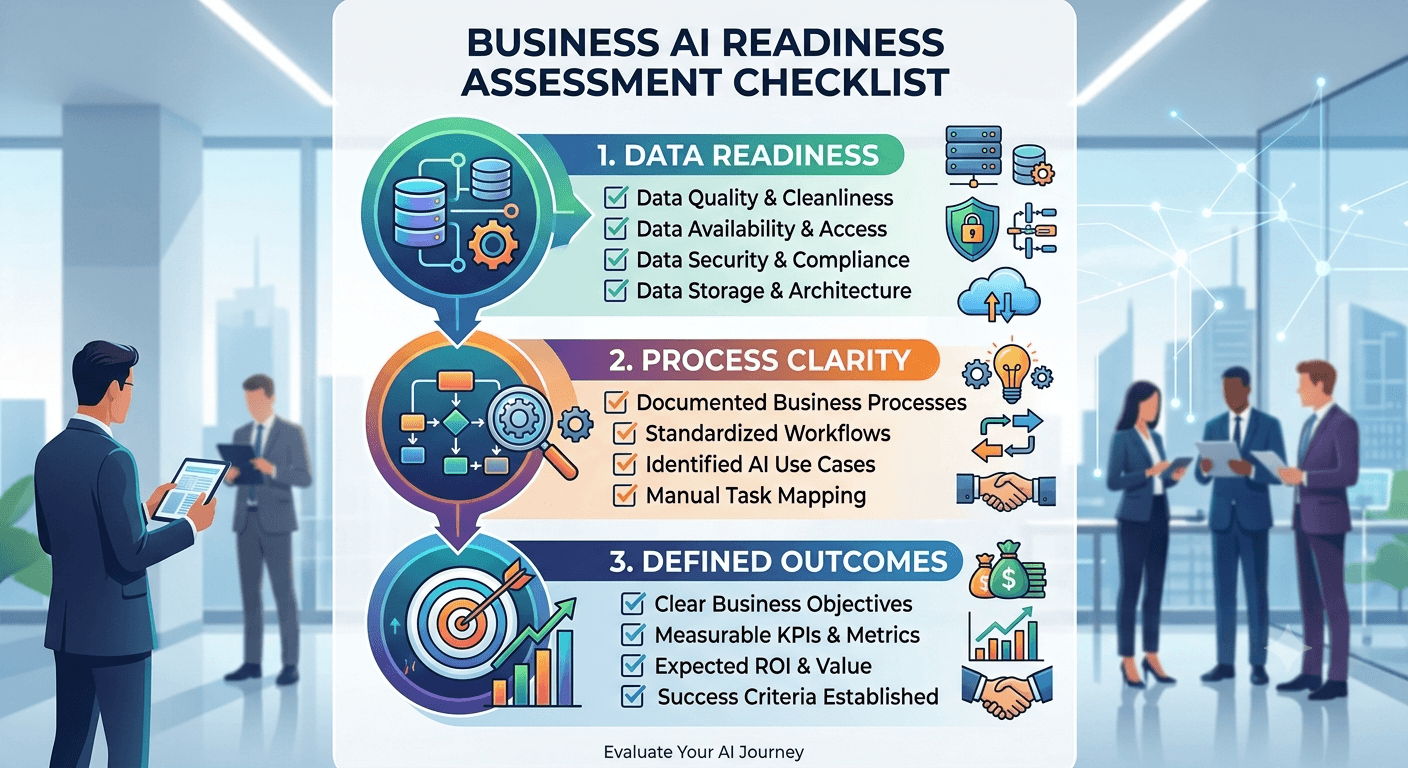
How do I know if my business is ready for AI?
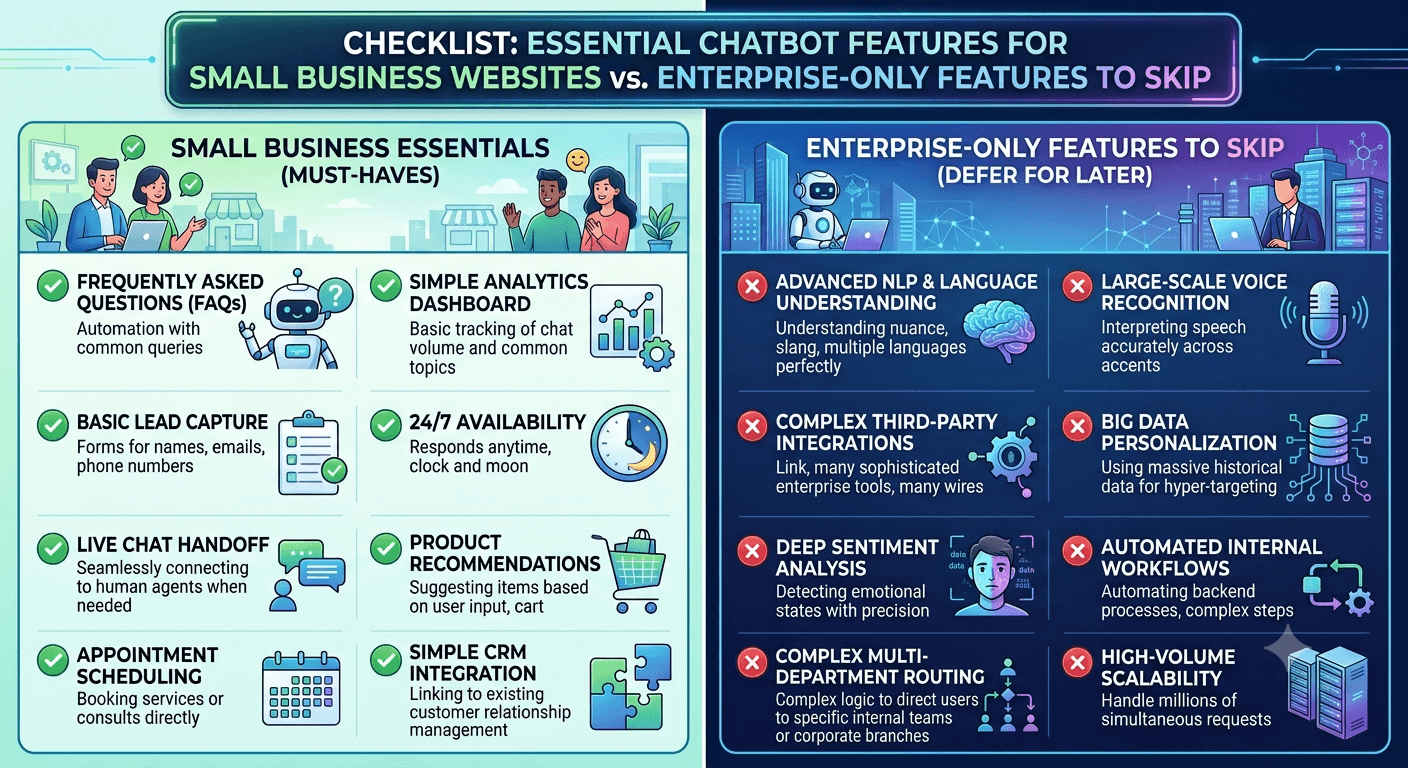
What features should a small business actually look for in a website chatbot?
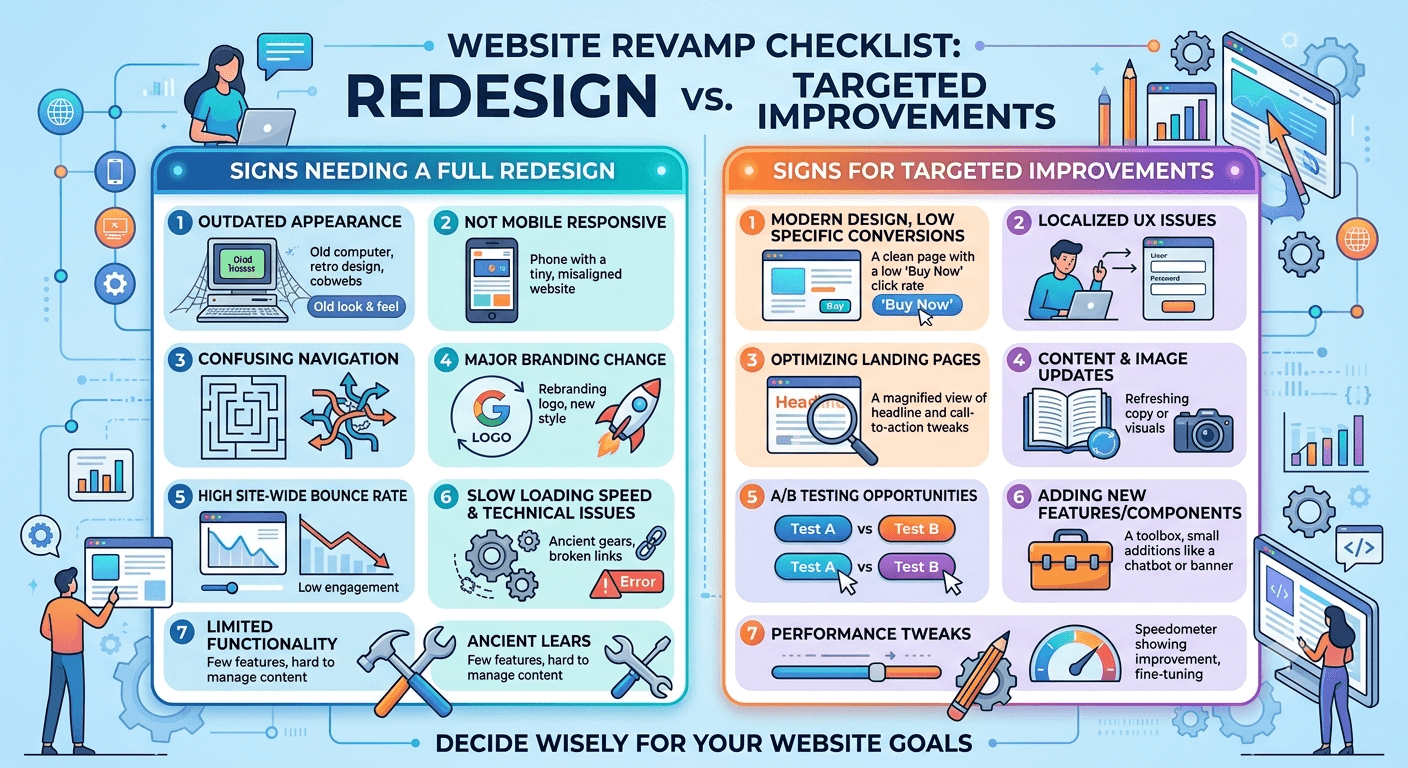
How do I know if my website needs a redesign?
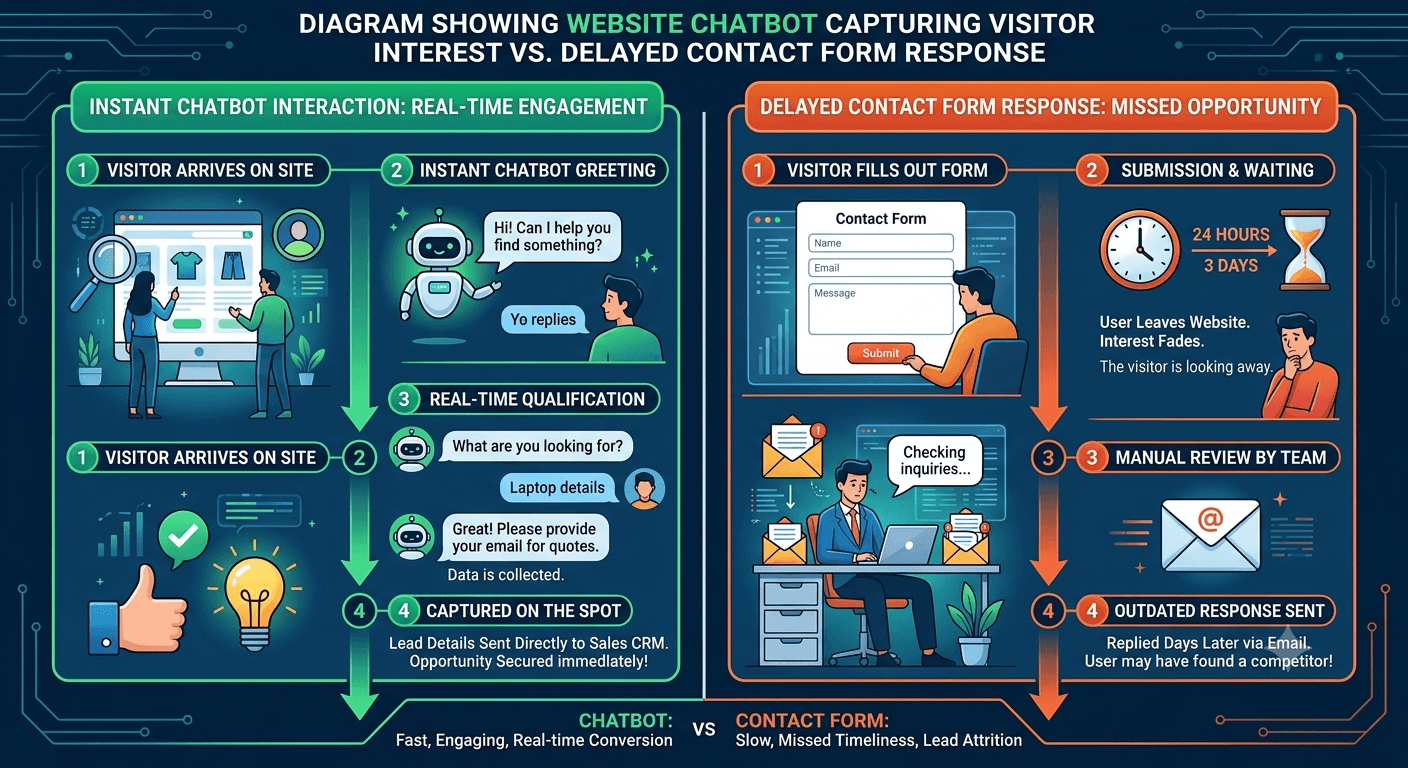
How does a website chatbot help small businesses get more leads?
