


The short answer: yes, in the large majority of cases — but "can it technically connect" and "should it, at reasonable cost" are different questions, and the honest answer depends on one thing most vendors gloss over: whether your system exposes a usable API. Here's how to assess your own situation before anyone quotes you a project.
Can AI agents integrate with your existing ERP or CRM systems?
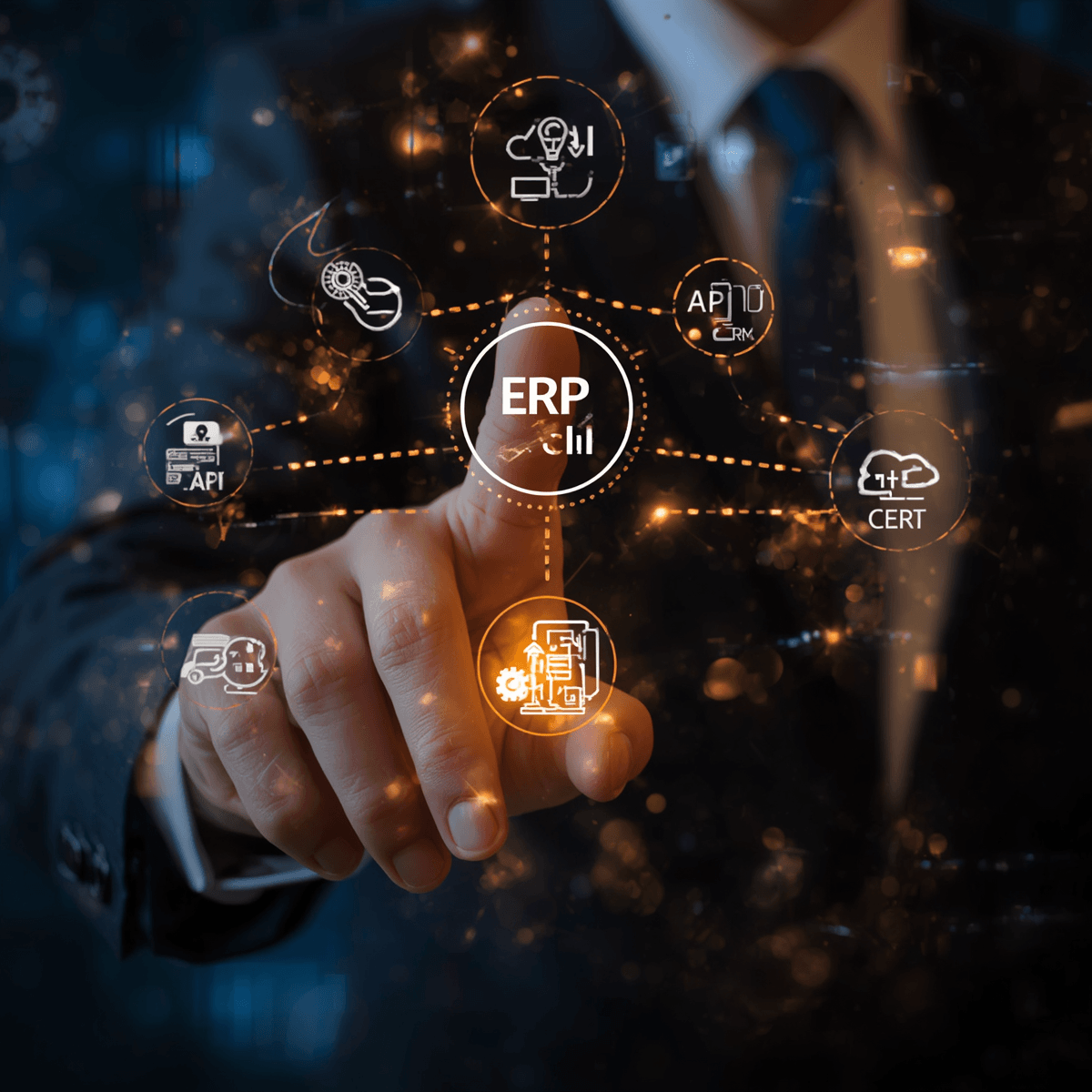
The real question is API maturity, not system age
Age is a poor predictor of integration difficulty. Some decade-old ERPs expose clean REST or SOAP APIs because a vendor modernized the interface layer without replacing the core system. Some recently deployed systems are surprisingly closed if the vendor treats integration as a premium feature. The question to ask your vendor or IT team directly: does the system have a documented API, and can we get read and write access with proper authentication? That single answer predicts most of the project's cost and timeline.
Three integration tiers, roughly in order of cost
- Modern API-first systems (most current CRMs, many cloud ERPs) integrate in the normal course of engineering work — the AI agent calls the API the same way any other application would, with standard authentication and rate limits to plan around.
- Systems with older but present APIs (SOAP interfaces, less-documented REST endpoints) take more engineering time to wrap and normalize but are still straightforward integration work, not a research project.
- Systems with no usable API (direct-database-only access, on-premise legacy software with no external interface) require a middleware layer — reading from the database directly, replicating data into an integration-friendly store, or using robotic process automation to interact with the system's own interface the way a human would. This tier is where projects genuinely get expensive, and it's worth knowing which tier you're in before scoping begins.
Permissions matter as much as connectivity
Being able to connect isn't the same as being able to connect safely. An AI agent acting on behalf of a specific user must be scoped to what that user can see and do — not run through a shared admin credential that can see everything. This is a common shortcut in early prototypes that becomes a serious problem the moment the system handles more than one user's data, and it's the kind of detail that separates a demo from something you can actually deploy. We wrote about this integration layer in more depth in our guide to AI chatbot integration with CRM and ERP systems.
What determines the honest cost
Once API access is confirmed, cost is driven by data quality (are customer records duplicated across systems with no clean match key?), the number of distinct actions the agent needs to perform versus just read, and how much business logic needs to be replicated in the integration layer versus handled natively by the existing system. None of this is about the AI model — it's standard systems integration work that happens to have an AI agent as the client instead of a human user or another application.
The honest exceptions
There are real cases where the answer is genuinely "not yet, not affordably": systems with zero programmatic access and prohibitive per-seat costs to add API access, environments where compliance requirements make any external connection a lengthy approval process regardless of technical feasibility, or data so fragmented across undocumented spreadsheets and legacy tools that the integration project is really a data-cleanup project wearing an AI label. A vendor who tells you every system is trivially integrable is not being straight with you.
The practical next step
Before any AI conversation, get a clear answer from whoever owns your ERP or CRM on API availability and access. That single fact reframes the entire scoping conversation from speculative to concrete. If you want that assessment done properly against your actual systems, our AI development team starts every chatbot and agent engagement with exactly this audit — and our forward-deployed AI engineers do it from inside your environment, which is usually the fastest way to find out what's really possible.
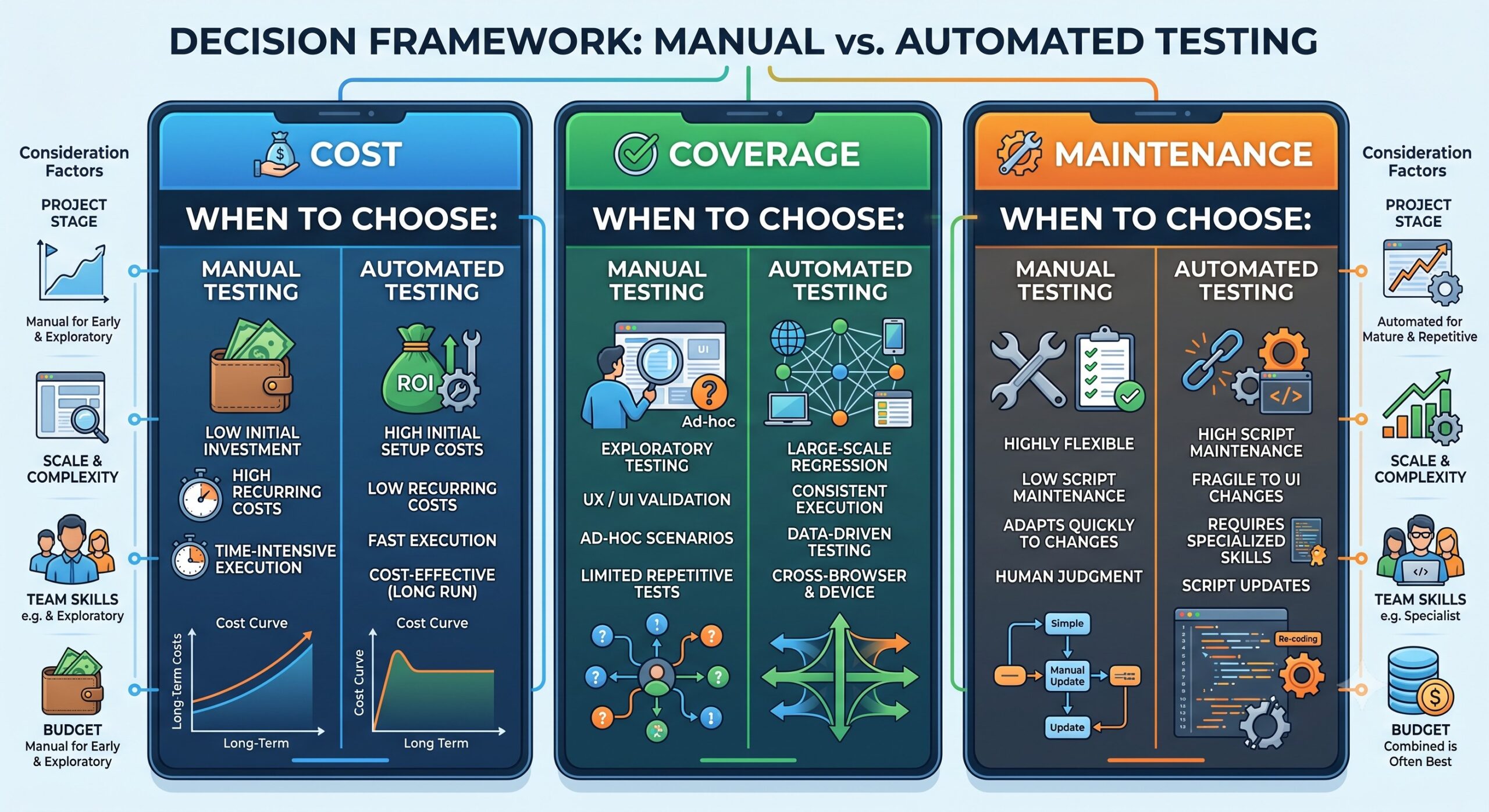
Manual vs automated testing: which does your project actually need?
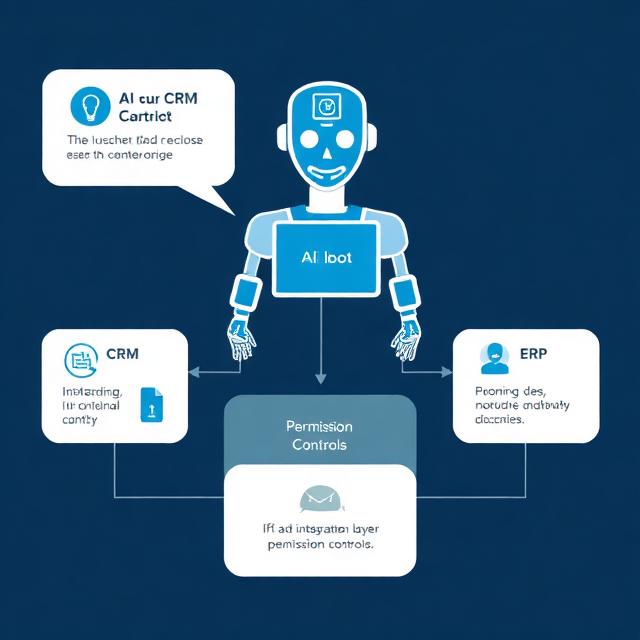
Integrating AI chatbots with your CRM and ERP: the part that decides everything
Build vs buy AI: an honest framework from people who build for a living

RAG implementation: what the tutorials skip and production teaches
